BY CHALLENGING HEIGHTS / APRIL 12, 2017
We at Challenging Heights spent much of the past year assessing the state of child trafficking in Ghana and reflecting on how best to strengthen our response. Through field observations, community engagement, and collaboration with partners, it became clear that while progress had been made, the scale and complexity of trafficking, particularly child trafficking, required renewed commitment, innovative thinking, and long-term solutions.
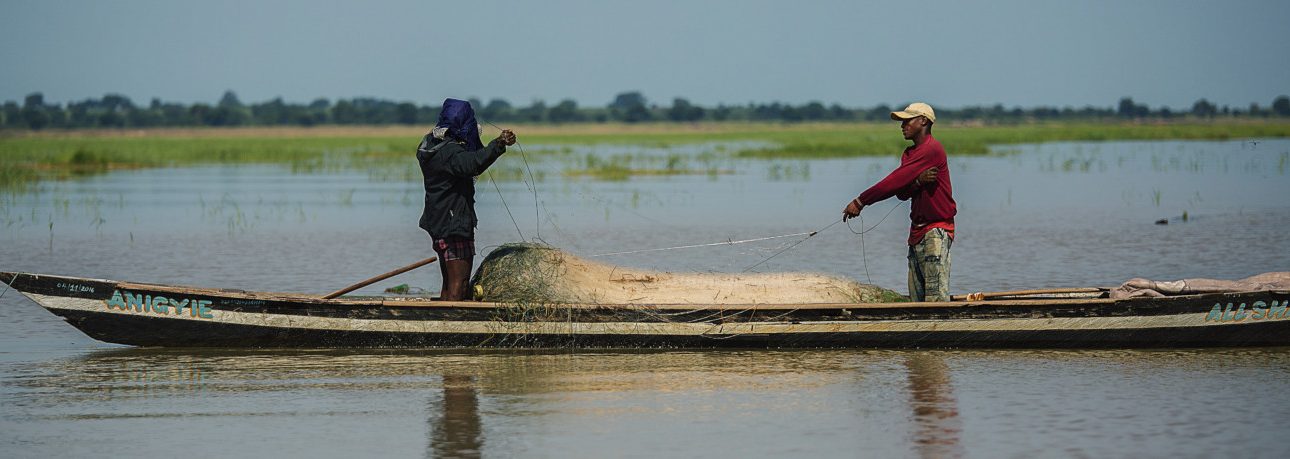
Our assessments highlighted persistent challenges in vulnerable communities, including poverty, limited access to education, and lack of awareness about the risks of trafficking. These factors continue to place children at risk of exploitation, especially in fishing communities along the Volta Lake and in other high-risk areas across the country. The findings reinforced the need to move beyond rescue alone and focus on prevention, rehabilitation, and sustainable reintegration.
As a result, Challenging Heights began rethinking and strengthening its strategies. This included deepening community-based prevention efforts, enhancing survivor rehabilitation services, and expanding educational and livelihood support for families. We also prioritized stronger partnerships with government institutions, traditional authorities, and civil society organizations to ensure coordinated and effective interventions.
Thinking big also meant investing in long-term change. By combining research, advocacy, and direct service delivery, Challenging Heights reaffirmed its commitment to tackling the root causes of trafficking while protecting and empowering children. These reflections and actions continue to shape our work as we strive toward a Ghana where every child is safe, free, and able to reach their full potential.